From Code to Civic Service: Supervisor Bilal Mahmood Champions Youth Innovation at AAACC
How technology and STEM serve human flourishing and cultural vitality, and why community-driven physical AI creates transformative pathways for every neighborhood.
01Technology in Service of Humanity & Culture
Technological innovation is never merely about raw compute, algorithms, or mechanical actuators; at its highest potential, science and technology exist in service of actual people, social well-being, and cultural flourishing. When cutting-edge tooling remains insulated in elite corporate campuses, its societal benefits narrow.
Landmark civic initiatives like the RoboRoots Robot & Physical AI Hackathon at the African American Art & Culture Complex (AAACC) transform that dynamic by embedding enterprise-grade robotics directly within the community. By bringing youth, families, and neighborhood leaders into direct contact with physical hardware, RoboRoots proves that cultural institutions and hard-tech incubators can thrive under one roof — ensuring that the digital revolution enriches community life rather than displacing it.
02Ethical Foundations & Universal Inclusion
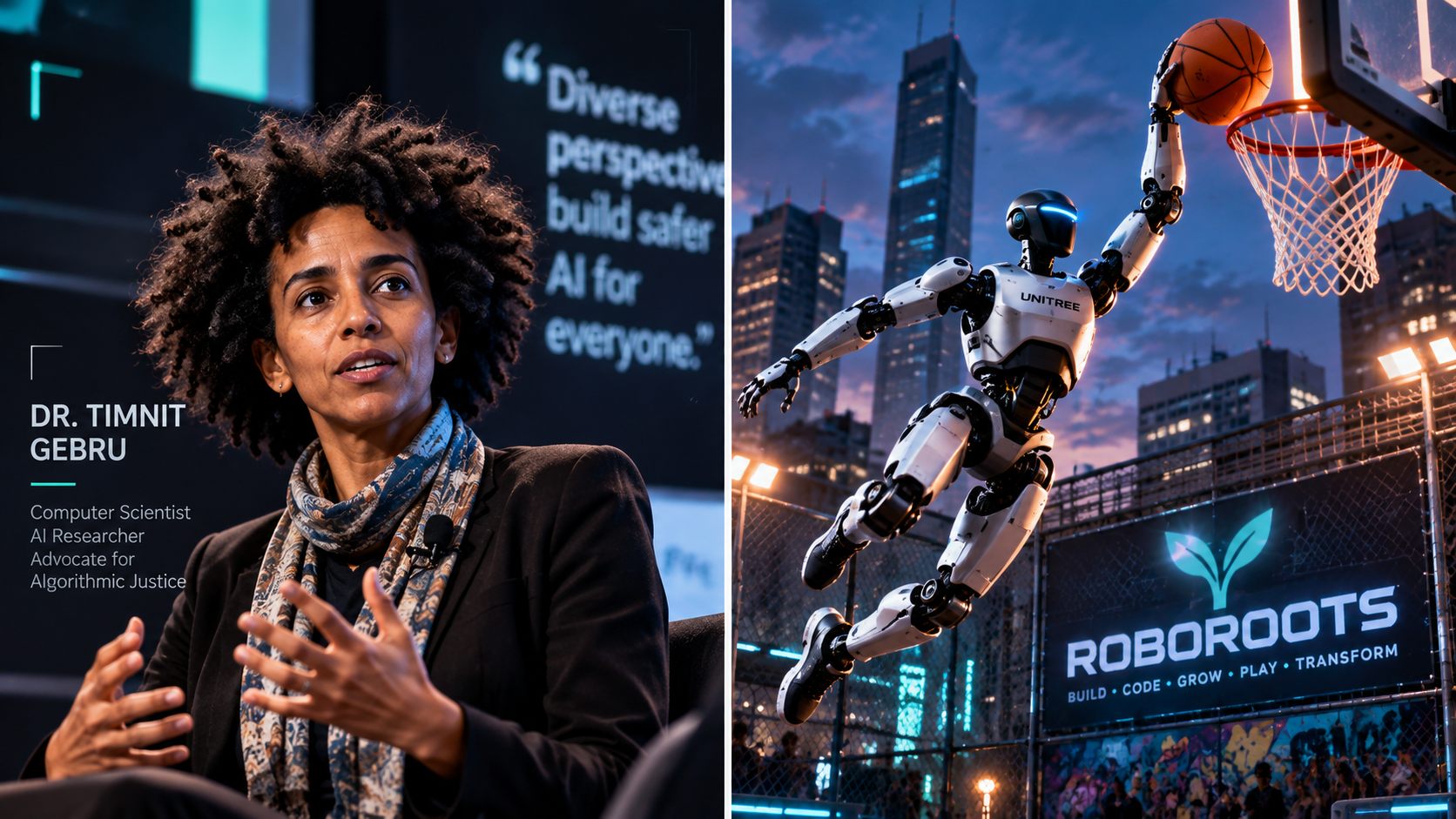
This commitment to universal access aligns directly with the foundational work of renowned technology ethicist Dr. Timnit Gebru. Throughout her career — from leading ethical AI research teams to establishing independent, public-interest research institutes — Dr. Gebru has championed the vital principle that technological advancement must be accountable to the public good.
“It's not only important for you to participate in this technological future, but think about an alternative future where your imagination gets to shape what kind of technology we're building.”
Her research reminds us that if technologies are designed without broad, community-wide participation, they risk automating existing societal inequities. True technological integrity requires that every neighborhood, background, and perspective has a seat at the design table, engaging in science and engineering from the earliest possible age.
03Civic Leadership in Action: Supervisor Bilal Mahmood
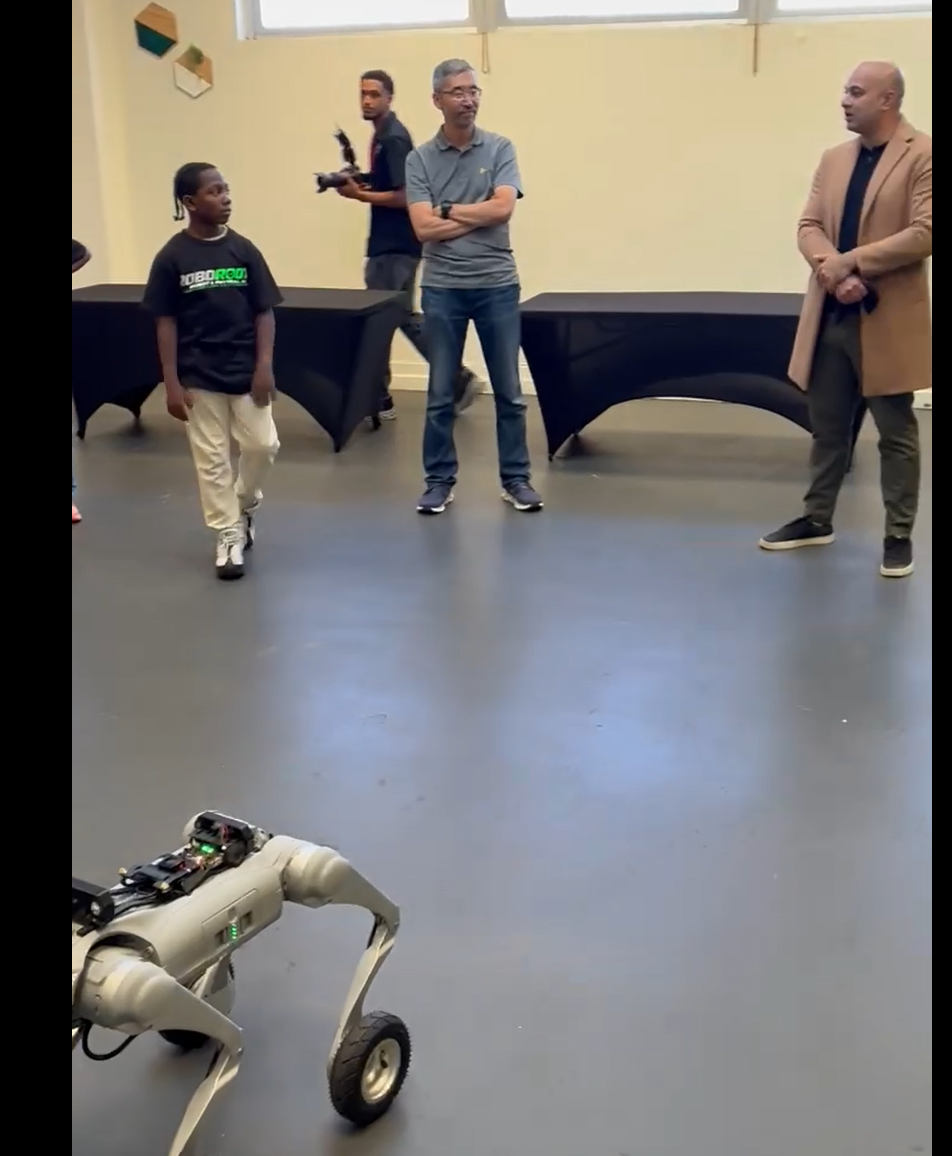
On Saturday, September 26, 2026, District 5 Supervisor Bilal Mahmood brought that exact philosophy to life by spending his Saturday on the arena floor at the AAACC. Rather than observing from a distance, Supervisor Mahmood walked among the student workstations, observing 6-DoF robotic arm datasets and interacting directly with youth cohorts, parents, and community program educators. His presence highlighted the vital intersection between civic governance and technological democratization: policy and community investment must actively open doors for emerging generations to command high-wage, transformative industries.
04From Startup Founder to Civic Service
Supervisor Mahmood spoke to the young builders not merely as an elected representative, but as someone who understands the engineering trenches firsthand. Drawing upon his background as a technology founder — having built and led analytics startup ClearBrain before answering the call to public service — he shared his personal journey of turning curiosity into working software, navigating engineering setbacks, and applying data-driven systems to civic challenges. He encouraged the students to view their hackathon projects as the foundational runway for lifelong problem-solving:
“Who here after today wants to become an engineer? ... What do you want to do when you grow up? ... Working in software, or hardware, or robotics?”
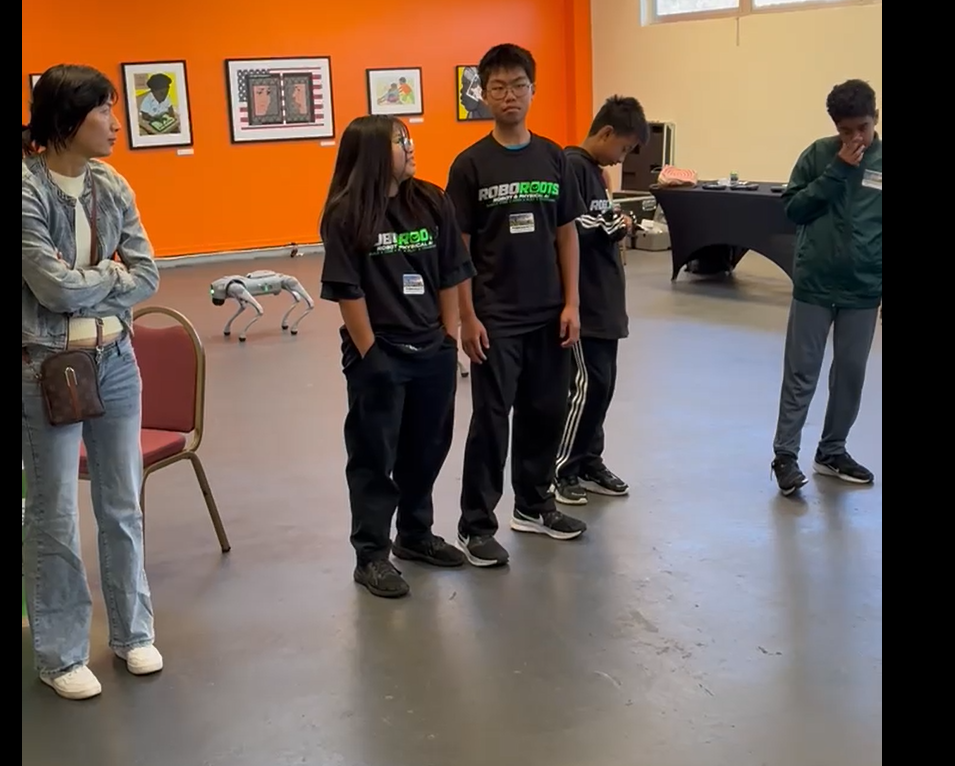
Standing beside the autonomous quadruped agility platform, Supervisor Mahmood listened intently as middle and high school students explained their sensor telemetry pipelines, simulation tuning, and mechanical designs.
05A Corridor of Inclusive Innovation
Supervisor Mahmood emphasized the city's deep commitment to community-driven STEM initiatives, highlighting how partnerships between civic agencies like the San Francisco Office of Economic and Workforce Development (OEWD) and cultural hubs like the AAACC build sustainable economic funnels. From ethical awareness and social responsibility to classroom enrichment and direct career exploration, District 5 is emerging as a living model of how municipal leadership can foster place-based innovation.
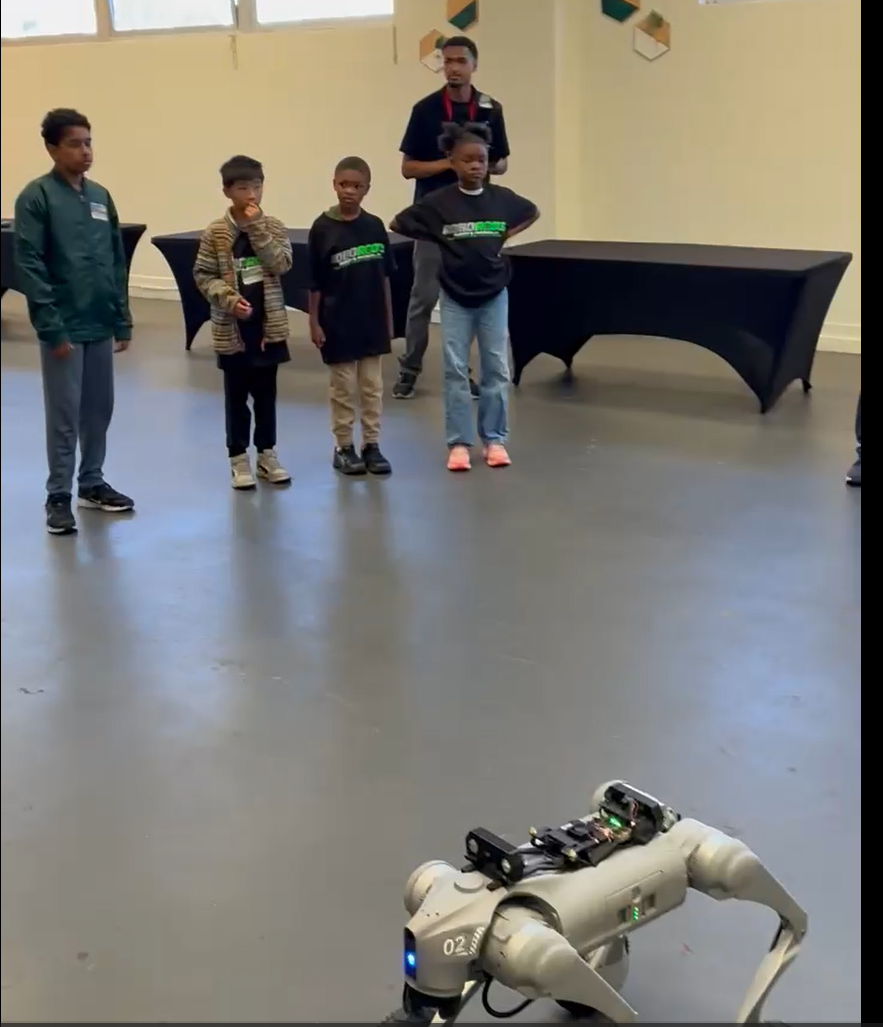
By taking the time to listen, encourage, and connect with every student builder and neighborhood family, Supervisor Mahmood demonstrated that the future of robotics belongs to everyone who dares to build it. Dedicated civic leadership and open community sandboxes ensure that advanced technology is not a privilege for the few, but a birthright for all youth.
Civic & Community Alignment: District 5 & SF OEWD
RoboRoots expresses our heartfelt gratitude to Supervisor Bilal Mahmood and the San Francisco Office of Economic and Workforce Development for their unwavering dedication to youth empowerment, workforce readiness, and neighborhood tech equity.